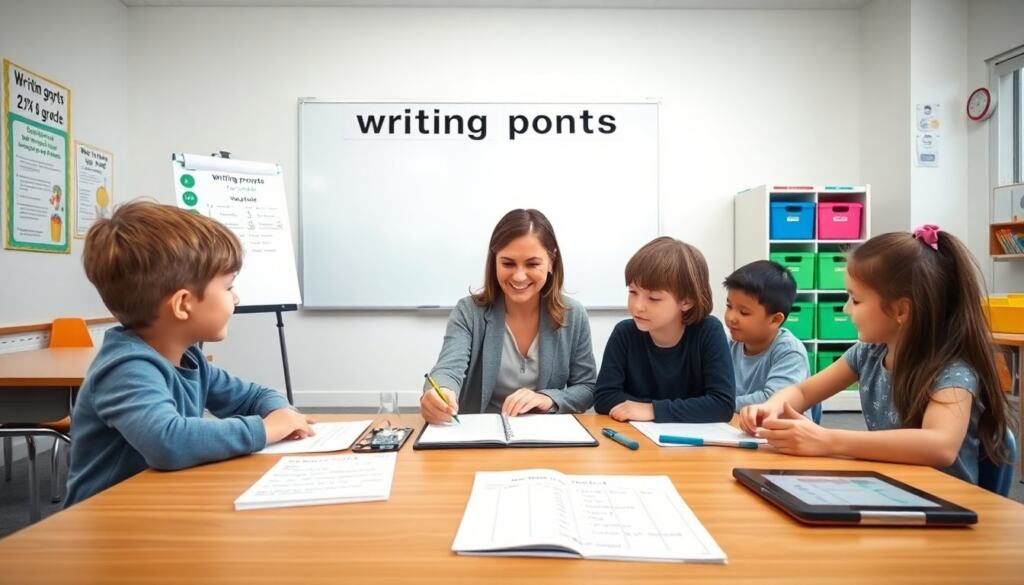
Teachers and parents use writing prompts for 2nd grade to build confidence and skills. The prompts give children clear topics and simple goals. They help students practice sentence structure, spelling, and ideas. This list focuses on short tasks that fit class time or home practice. The prompts aim to make writing regular, focused, and fun for young learners.
Key Takeaways
- Writing prompts for 2nd grade help young learners build confidence and improve sentence structure, spelling, and idea flow through regular, focused practice.
- Teachers and parents should select prompts matching skill level and interests, setting clear time limits of 5-20 minutes to foster effective writing sessions.
- Using diverse prompt types—creative, opinion-based, and personal narratives—supports growth in imagination, reasoning, and storytelling skills.
- Incorporating word banks, modeling example sentences, and praising effort encourages writing confidence and continuous improvement.
- Short, frequent writing sessions using these prompts make writing a regular, enjoyable habit for 2nd graders, enhancing vocabulary and fluency.
- Assessing progress with rubrics or checklists helps track development and guides tailored support during writing practice.
Why Writing Prompts Matter In Second Grade
Second-grade teachers value writing prompts for 2nd grade because they guide practice. Prompts give students a starting point and reduce frustration. They help students learn to plan sentences and check spelling. Prompts also build fluency with daily short tasks. They let teachers assess growth quickly. Parents use prompts for 10-15 minute sessions at home. Regular use makes writing feel normal and safe for children. Repeated practice improves handwriting, vocabulary, and idea flow.
How To Use These Prompts In Class Or At Home
A teacher or caregiver selects prompts for skill level and interest. They set a clear time limit of five to twenty minutes. They ask students to write full sentences and to check one spelling word. They model one example sentence first. They offer word banks or picture cues when needed. They read a few student responses aloud with permission. They use prompts for bell work, centers, warm-ups, or assignments. They track progress with a simple rubric or checklist.
50 Ready-To-Use Writing Prompts (Organized By Type)
The prompts below focus on creativity, opinion, and short stories. Teachers and parents can pick prompts that match themes or seasons. Each prompt fits a 10-15 minute session. Children respond in one to four sentences or a short paragraph. The list supports practice with prompts that repeat simple structures and new vocabulary. The prompts below appear in three groups for easy selection.
Creative And Imaginative Prompts
- Imagine a pet dragon. Describe its favorite food.
- Tell what happens when a toy comes to life.
- Describe a secret door in your school.
- Write about a day as a pirate.
- Invent a new fruit and describe its taste.
- Describe a magic backpack and what it holds.
- Tell a story about a cloud that can talk.
- Write a letter to a superhero asking for help.
- Describe a treehouse with three rooms.
- Imagine you can talk to animals. What do you ask?
These prompts let children stretch ideas and use new words. They help students practice narrative order and description. A teacher may ask for three full sentences per prompt.
Opinion, Persuasive, And Informative Prompts
- Which is better, summer or winter? Give two reasons.
- Should students have assignments? Give one reason.
- Describe how to care for a pet.
- Explain how to make a peanut butter sandwich.
- What is your favorite book? Tell why.
- Should school start later? Give one reason.
- Describe your best friend and why you like them.
- What is the best game at recess? Explain.
- Explain how to plant a seed.
- Which animal is the fastest? Give facts.
These prompts teach opinion and short explanation skills. They ask students to state a claim and support it with one or two reasons. They also practice sequence and simple facts.
Seasonal, Personal Narrative, And Short-Story Prompts
- Describe a favorite holiday tradition.
- Tell about a time you helped someone.
- Write a short story set at the beach.
- Describe your best birthday.
- Tell what you do on a rainy day.
- Write a story that starts with “One snowy morning…”
- Describe a family recipe you tried.
- Tell about a time you felt proud.
- Write a short mystery about a missing shoe.
- Describe the first day of school.
- Describe a spring garden.
- Tell about a fun field trip.
- Write a short story with a surprise ending.
- Describe a summer camp activity.
- Tell about a time you learned something new.
These prompts help children write about real events and create short narratives. They build sequence, sensory detail, and personal voice.
Practical Tips To Encourage Writing Confidence And Growth
A teacher or parent offers praise that focuses on effort. They point out a strong sentence and one area to improve. They provide a model sentence and a word bank when needed. They set small goals, such as adding one adjective per week. They use prompts for quick checks and to warm up longer lessons. They let children choose favorite prompts sometimes. They show before-and-after examples to highlight growth. They keep sessions short and frequent to build habit and reduce pressure. They celebrate small wins to boost confidence.