On some Amazon pages, a blurb’s first line is all browsers see. Here is how to write a book blurb that survives that: open with a hook and a protagonist, tease the plot instead of retelling it, and aim for 100–200 words.
Blurb copy is one part of how to get a book published. The sections below separate the common misunderstandings from what holds up, then give a structure you can adapt and an order for revising.
Where a blurb appears and what it is for
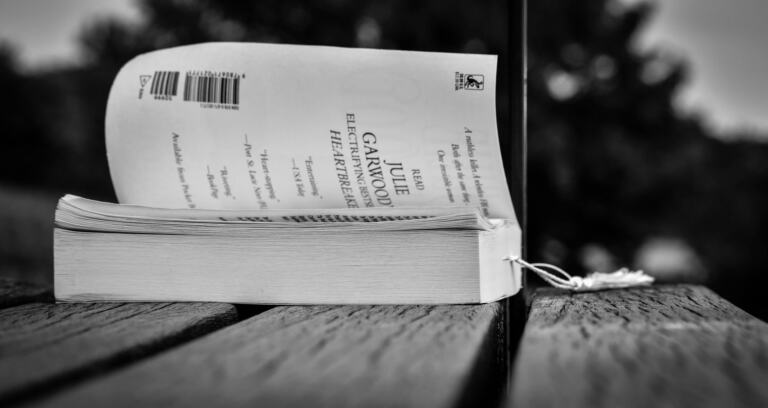
A book blurb is the short sales copy that tells a reader what the book offers. In printed books it usually sits on the back cover, which is why it is also called back cover copy. For ebooks and online stores, the same job is done by the product description. Reedsy calls the retailer description your sales page on Amazon, and its stated purpose is to entice readers by revealing details about the plot, setting or subject.
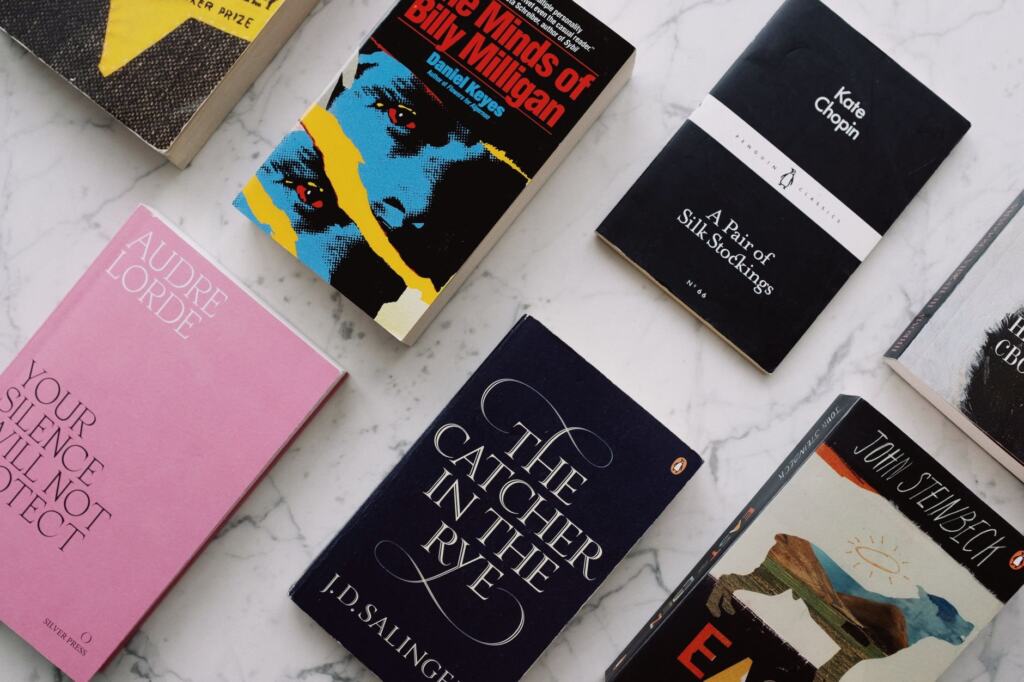
One piece of copy therefore often serves a shelf browser and an online shopper. Write it to work for both, and treat the cover and the blurb as one pitch. For the cover half of that pitch, see Designing Fantasy Book Covers That Sell: A Practical Guide For Authors And Designers (2026).
Most weak blurbs fail because of a handful of mistaken beliefs. This table sets them against what the evidence supports.
| Common belief | What holds up | Planning use |
|---|---|---|
| The blurb should summarise the book | A retail book description is a sales page, not a synopsis | Write to make someone want the book, not to report on it |
| A longer blurb sells more | The rule of thumb is a target of 100-200 words, with a rough average of about 150 words; blurbs run from as few as 50 words to 250+ depending on the book, audience and space | Draft inside the typical band first and go beyond it only when the format has room |
| Readers will reach the good part | On some Amazon pages the first line is all readers see before “read more” | Put the strongest element in the opening line |
| Any tone works if the plot is good | Matching the blurb’s tone to the book’s genre is critical to sending the right signals | Choose vocabulary and rhythm that a reader of that genre would recognise |
The claims in the table come from Reedsy’s blurb guide and Blurb’s guide to writing blurbs for novels.
Blurb versus synopsis
A blurb is a teaser and a synopsis is a full account. Author and editor Alyssa Matesic suggests you think of the blurb as a movie trailer of your book. A synopsis, by contrast, is an optional, separate document that gives away the entire novel, and it runs from about one full page to about three pages.
The practical difference is where each one stops. A synopsis follows the story to its ending because its reader needs to judge the whole structure. A blurb stops while the question is still open, so the reader has a reason to open the book. If your draft explains how the story resolves, you have written a synopsis. Move that text into a separate document, which you will need only when a submission asks for one.
How long a blurb should be
Start from the common band and adjust for the book. Several sources agree on its range:
- Target band: the rule of thumb is to aim for 100 to 200 words, and an editor’s advice is the same range for maximum impact.
- Typical length: Blurb puts the rough average at about 150 words, while Reedsy says blurbs are often 150-200 words long, though this may vary between genres and publishers.
- Edges of the range: some blurbs are as few as 50 words and others 250+ words, depending on the book, the audience and the space available.
These are ceilings and typical values, not a target for every book. Because length varies between genres and publishers, the safest check is practical. Compare the back covers of recent books in your genre, note the space your cover or retailer page allows, and begin at the middle of the typical band. A tight blurb in the middle of the range is easier to defend than a long one that needs trimming to fit.
What makes a blurb sell
The hook and the opening line
The hook should immediately grab the reader’s attention and provide a unique perspective, using the most compelling element of the book in the first couple of sentences. For fiction, Matesic notes that in most cases it works well to introduce the protagonist in the opening line. That gives the hook a person to attach to.
Avoid openers that readers have met many times, such as “In a world,” “Unlike most people,” and “I always told myself that.” They signal a template, and given that the opening line may be all a browser sees, they waste the one line that matters.
Genre signals and character
Genre is decided partly by tone. Across fiction blurbs, the common feature is that they give readers an enticing sense of who the main characters are, so include a brief hint of personality rather than a list of names. Restraint matters here: you don’t need to name every secondary character or get into every single subplot. The reader should leave knowing the lead, the situation and the feel of the book.
A blurb structure you can adapt
The order below draws on one editor’s guidance and the fiction advice above. Treat it as a starting sequence and move parts around to suit your book.
- Consider a tagline. A bold one-liner can draw the eye at the start or finish of the copy.
- Open with the hook. Make the first line the most compelling element, and name the protagonist there where it fits.
- Hint at who the characters are. A few words of personality are enough.
- Reveal the enticing details. Give plot, setting or subject detail that makes the reader curious, and leave out the ending and minor subplots.
- Close with proof, if you have it. The editor suggests finishing with 2-3 short, snappy endorsements to show that other people recommend the book.
Revising a weak draft
Revise in a fixed order, because early fixes change what later ones need. Print the draft and mark each sentence in the margin as hook, character or plot detail. A sentence that fits none of those labels is a candidate for cutting. A sentence that reveals how the story ends belongs in a synopsis. Rewrite the first line last among the content edits, once you know which element is strongest, and trim to length only after that. A draft that has been cut for content often lands in the typical band without further effort.
Once the draft reads cleanly to you, show it to people who read your genre. They will tell you whether the tone matches the book and whether the first line makes them want more. If you do not yet have readers, How To Find Beta Readers: 7 Proven Ways To Get Honest Feedback Fast (2026) covers where to find them.
Frequently asked questions
| Question | Answer |
|---|---|
| Is there one formula for a good blurb? | No. The editor behind the 100-200 word guidance says it is not a formula or recipe, as every book is different. Writers Digest likewise frames its blurb steps as prompts rather than rules. |
| How should a nonfiction blurb differ from a novel blurb? | It leans on what the book delivers. Reedsy advises that nonfiction should spell out the features and benefits in a way that piques curiosity. A book with teaching features or frameworks can use bullet points to convey them. |
| What is a query letter blurb? | It is an enticing, short description of your story, similar to back-cover copy. It should run no longer than three or four short paragraphs of 2-3 sentences each, according to Alyssa Matesic. |
| Should a blurb speak to the reader as “you”? | It can. The editor suggests addressing the reader directly with “you” to build rapport, which suits books that promise the reader a benefit more than books that open on a character. |